Mental Health
Mental Health, including Mental Illnesses and Mental Disorders, is a health issue that is not given enough attention. It is estimated that nearly two-thirds of all people with diagnosable mental disorders do not seek treatment. This lack of treatment by persons affected is strongly associated with the negative social stereotyping of persons diagnosed with mental illnesses. Mental Disorders and Illnesses are much like any other physical disability and are not related to a persons moral failings or lack of will power.
Mental Disorders discussed in the below articles include, but are not limited to, the following topics: Agoraphobia, Alcohol Dependence, Alzheimers, Anorexia Nervosa, Asperger's Disorder, Attention-Deficit Hyperactivity Disorder, Autism, Bipolar Disorder, Bulimia Nervosa, Dementia, Depression (Major Depressive Disorder), Nicotine Dependence, Obsessive-Compulsive Disorder, Panic Disorder, Posttraumatic Stress Disorder, Schizophrenia and Social Phobia.
Mental Health Articles
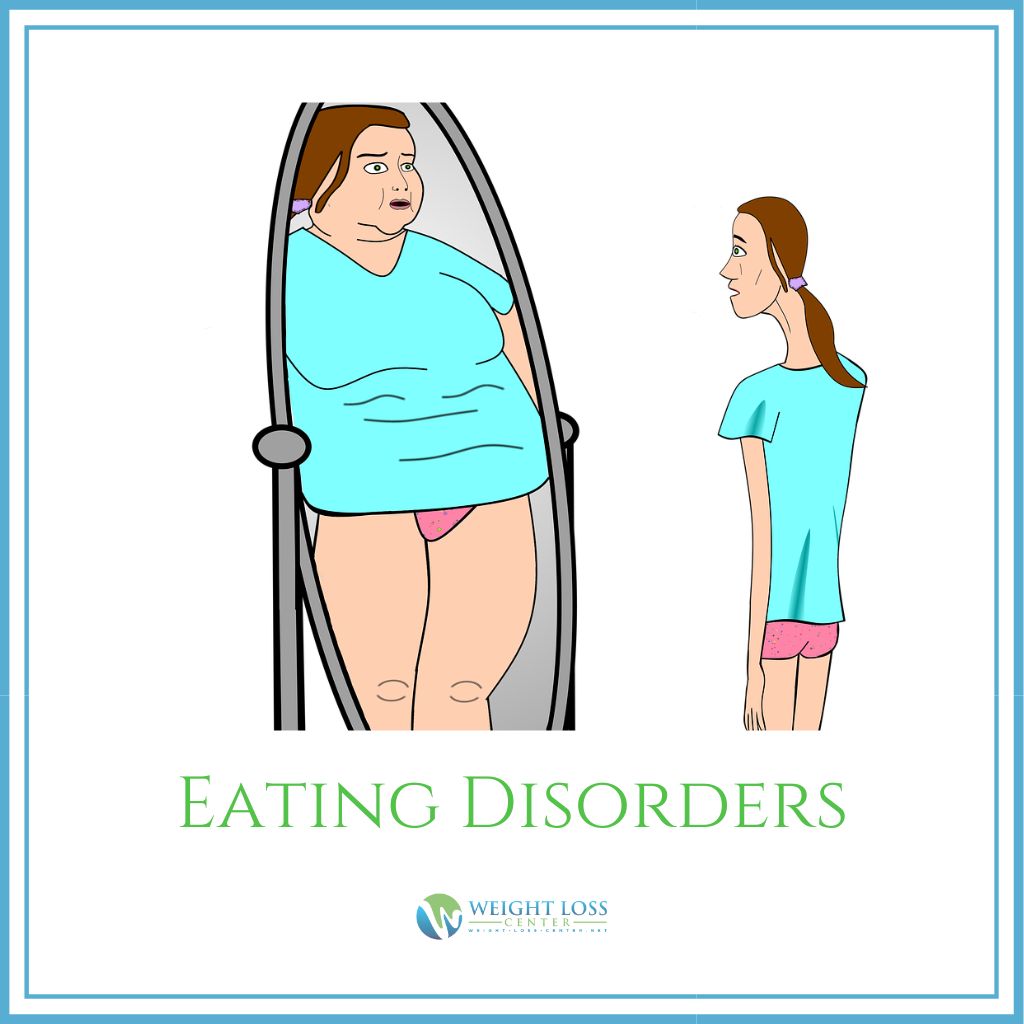
Eating disorders aren’t just a matter of choosing a diet that isn’t quite appropriate for you. Instead, it is a category of medical conditions in which you experience powerful compulsions for eating or avoiding eating in a way that negatively impacts your physical and mental health. They take a broad spectrum of forms, and it is vitally important to seek...
Christmas party survival can feel very difficult if you’re introverted. After all, the season is full of celebrations, and you may find yourself having to attend several of them. Fortunately, there are a lot of things you can do to stay comfortable, energized and ready to make it through each invitation you receive this year.
The closer we get to...
Did you know that there are foods for a bad memory, just as there are those that can help to support the parts of your brain that let you remember things? It’s true. What you eat can help to give your mind a boost or can make your life more challenging when you’re trying to recall something that happened or...
Each and every person who is alive today has to deal with some kind of stress. It is a natural part of life itself. But could you imagine if everyone raced to the doctor’s office for a prescription for this common issue? The lines would be endless, and the service would no doubt be shoddy, to say the least. Fortunately,...
Did you know that there are many more signs you are sleep deprived than simply feeling tired? That’s just the jumping off point. If you’re trying to decide whether you’re ready to look for the most helpful sleep supplements, it doesn’t hurt to know whether you’re already getting enough sleep. You may have an inkling that you’re starved for rest,...
When the winter blues strike, they can hit hard. They may be seasonal, but it feels as though the winter never ends when depression is keeping you down. Seasonal Affective Disorder (SAD) is surprisingly common, but just because many people suffer from it, it doesn’t mean there isn’t anything you can do to beat it.
What Can You Do to...
Choosing the right nutrition for mental health can help to support your overall wellness including the way you feel, and in your strategies to cope with mental illness. In recent years, a rising body of evidence has shown that what you eat doesn’t just benefit your physical wellness but that certain dietary choices can also be advantageous to your mind.
...
Will taking Xanax have an impact on your weight loss? It’s a natural question to ask if you have been prescribed this medication. After all, it’s not uncommon to hear stories about people gaining or losing when they take antidepressants and similar types of prescription drug.
Will You Automatically Lose Weight on Xanax?
The quick answer is no. You will...
Ready to improve your mental health with the food you’re eating? Need yet another excuse to eat more fruits and vegetables? That’s right, it’s not just your physical wellness that can benefit from all those fresh nutrients and fiber. Eating the way that you know you should be can make all the difference in the world to the way you...
Did you consider setting resolutions for better mental health this year? This new year and new decade are well underway, and while most of the things people resolved to do will have fizzled or even failed by now, there are some that continue to be successful.
That said whether you’re succeeding, failing, or didn’t resolve to do anything this year,...
Millennial perfectionism is an extremely widespread trend throughout this generation. Those in the millennial generation are considerably more inclined to be perfectionists than was the case in any recent generation. This, according to the newly released results of a study conducted from 1990 through 2015.
The study was published in the journal Personality and Social Psychology Review. It indicated that...
Are you a lover of the night? Do you find yourself staying up way too late because you simply prefer to enjoy the silence and tranquility that the night brings? But do you also sort of hate yourself for it because your late nights make your mornings so much harder? Then continue reading for a few tips on how to...
World Mental Health Day is October 10, and it’s a day that’s set aside to recognize the fact that roughly 1 in 4 people around the world suffers from a mental illness. The day is also designed to let people know that, by learning about mental health and mental illness, as well as talking more openly about it, millions of...
There seems to be a lot of violence everywhere you turn these days, from what you see on the news, to what your children are exposed to in TV shows, movies, and even in video games.
But what exactly is the connection between media violence and children? Does exposure to violent media really affect a child’s mental health?
The...
By adopting the right daily habits, you can wash away stress from your life and live a happier life with your family and friends. Continue reading for a few helpful tips that will help you reduce your stress level and increase your happiness level every day.
Take a Relaxing Bath
At the end of the day, you can literally...
Most of the times, physical activity and cognitive function are considered two separate things. Often, physical fitness is associated with good looks and the ability to engage in intense physical tasks. Similarly, cognitive function is relative to your mental ability. Both these things are considered separately and are rarely linked together, but it is not too hard to see the...
There are a number of mental health conditions that are hard to understand. Any time that there is insight into a cause for them, people jump at it in hopes of comprehension. As mental illness can be a very challenging health condition to live with and to cope with overall, when there is hope to work through it, that is...
Pollutants in the air can cause a wide range of health problems, from heart arrhythmias and lung disease to digestive problems and even autism. Recent studies on the harmful “fine particulate matter” in polluted air suggest that those particles can actually be directly linked to certain mental health issues as well. Those who are regularly exposed to air pollution, such...
When a baby is born and new parents are created, it can be a lot on a new mother. She has gone through a pregnancy, childbirth, and now she has this beautiful baby to care for. It’s no wonder that so many new moms go through a transition and often suffer from postnatal depression. What you may not realize however...
Who doesn’t want to be smarter or have better memory? Not many people would opt out of having an effortless brain boost, which is why so much attention is now being given to the latest and greatest neuro-promoting products. Among the many options available on the modern market, we find a new discovery taking the world by storm. According to...